Systems that do the repeated work. People who make the decisions.

I help businesses find where AI and automation will genuinely improve how they operate, where they won't, and then build the simplest system that does the job.

Outcome first. Tools second.

Scroll

You are probably not short of tools.

Most businesses already have more software than they use. The hard question is where those tools should fit. Which workflows are worth improving. What should be automated and what should stay with a person. What needs connecting before anything useful changes.

The job is not finding another tool. It is turning the tools you already have into a system that changes how the business runs.

The work I do.

  • AI strategy and consultancyWhere it helps. Where it does not.
  • Custom automations and systemsThe tools you already pay for, connected.
  • Websites and landing pagesBuilt for buyers, and for the machines that read first.

Where AI and modern tools can create real value in your business, where they will add noise, and what the wider effect will be. That can mean spotting useful opportunities, choosing mainstream tools, mapping workflows, or understanding how AI is changing operations, sales, marketing and content in your sector.

What you get

  • A map of the repeated work in your business, ranked by what it costs you
  • A short list of what to build, in order, with a reason for each
  • A plain answer on what to leave alone
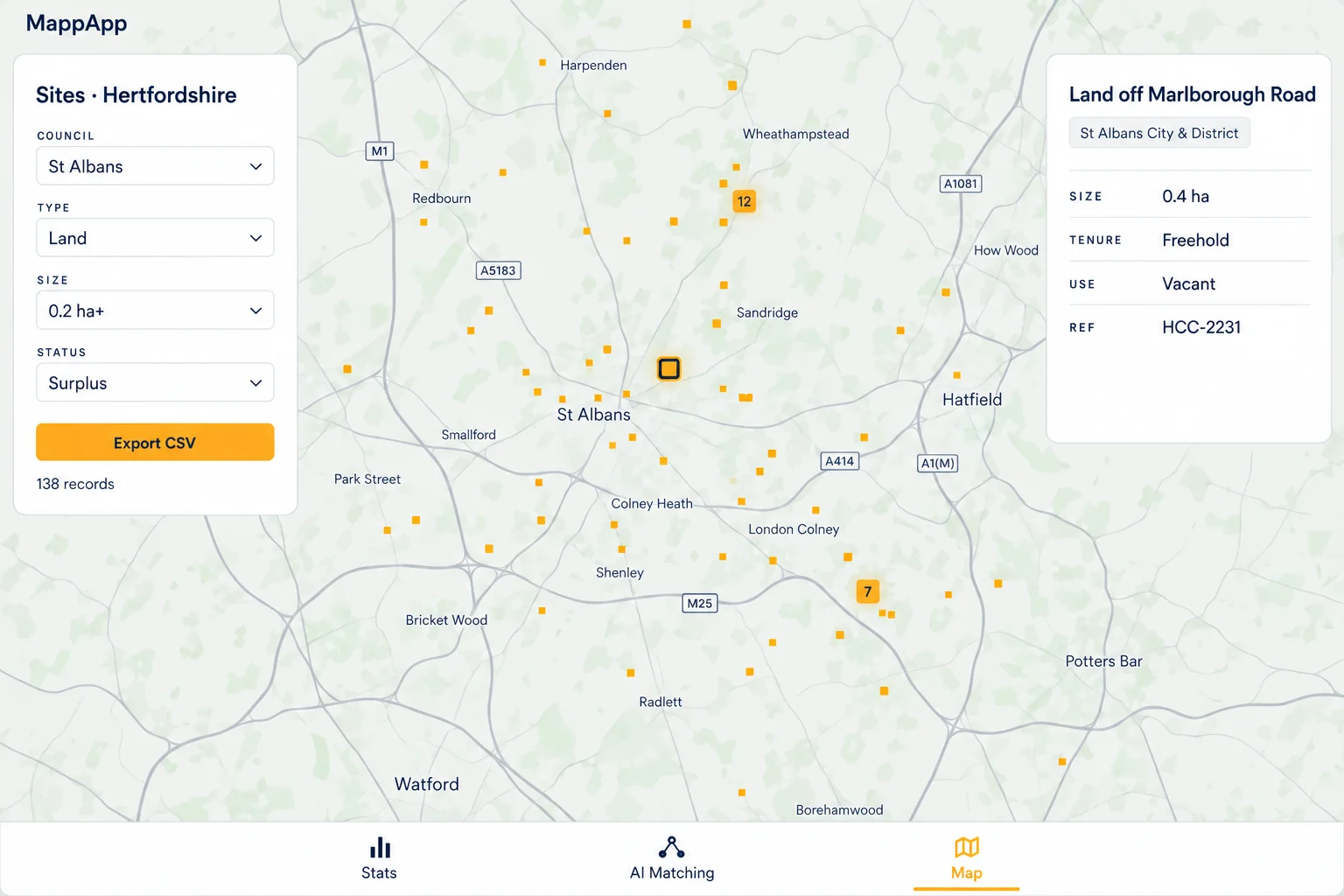
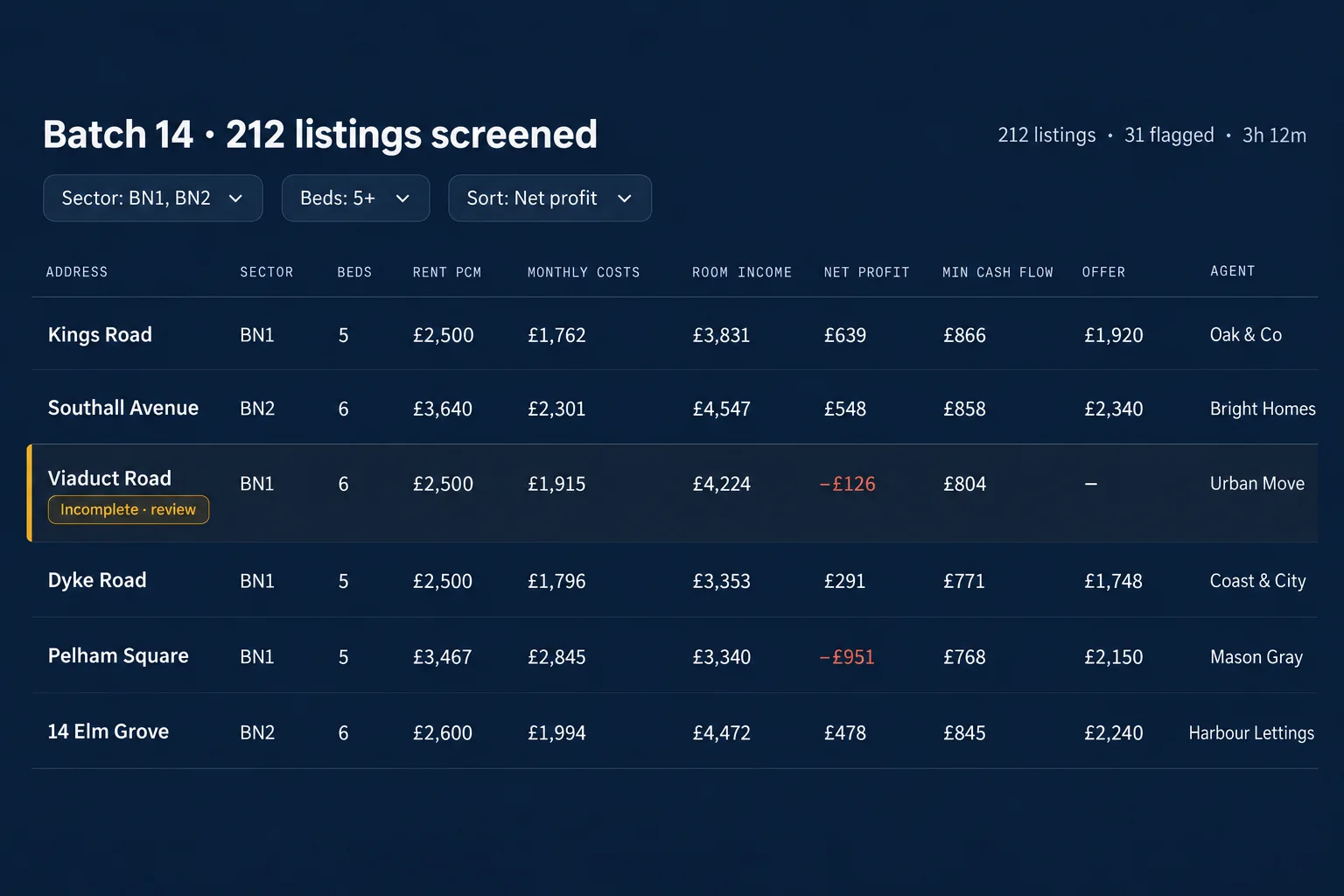
Systems that save time, remove repetition, improve operations or cut admin. They use AI where it makes the system better. Often the stronger answer is standard automation, a better workflow, an API integration, or connecting the tools you already pay for.

What you get

  • Systems built on the software you already use
  • A person in the loop wherever judgement is needed
  • Documentation your team can follow, and a handover call

Websites and landing pages that make a business easier to understand, trust and act on. This matters more as AI changes how people search and compare. Clear positioning and a professional presence now have to work for human buyers and for the AI systems that increasingly do the first pass.

What you get

  • A site that says what you do in the first screen
  • Structured content that search engines and AI assistants can read
  • Analytics that show what is working, without the vanity numbers

Each one starts with a conversation, not a proposal. Start one

Less manual work. Cleaner operations.

Time back from the repeated admin.

Enquiries, quotes, bookings, invoices, follow-ups, reports. The system does them the same way every time, and on time.

Fewer handoffs. Fewer errors.

Anything unusual is set aside for a person, with the context attached. You decide. The line keeps moving.

Workflows you can measure and improve.

Every item is logged. You can see what was done, when, and by which part of the system.

Most businesses do not need more AI. They need fewer loose ends.

Worth building

Work that happens the same way every week

Figures that get typed into two places

Follow-ups that depend on someone remembering

Reports that take a morning to put together

What I will not sell you

AI for the sake of saying you use AI

A system that makes decisions about your staff or customers

Automation for a job that only happens once

Another tool, when the ones you have are not connected yet

If the honest answer is that you do not need me, I will say so on the first call.

From unclear workflow to working system.

Every build starts by finding where time or leads are being lost and which manual work could go. The system is then shaped around the outcome, the tools involved, and how the business actually runs day to day.

  1. 1Understand. Clarify the workflow, the bottleneck, and the result the system has to produce.
  2. 2Map. Break the process down. Decide what gets automated, what stays with a person, and what needs connecting.
  3. 3Build. Put it together with the right mix of automation, AI, existing tools, APIs or custom code.
  4. 4Test. Run it against real usage, edge cases, handoffs and the ways it could fail.
  5. 5Improve. Refine as the workflow becomes clearer, tools change, or new opportunities appear.

Tell me about the repeated work.

One form. No sales call. I read every message myself.

  1. 1I reply within two working days.
  2. 2We talk for thirty minutes about the work, not the tools.
  3. 3You get a short written note: what I would build, what it would change, and what it would cost.

One person. No handovers.

LB Systems is me, Lorenzo Bergonzi. You talk to the person who does the work, from the first call to the last page of documentation.

Or email lorenzo@lb-systems.co.uk

Your details are used only to reply to you and are never sold or added to a mailing list. How your data is handled.